
LVP Flooring Denver offers durability, aesthetic appeal, and low maintenance due to water, scratch, stain, and fading resistance. Installation requires meticulous preparation, with key steps including space assessment, subfloor inspection, layout planning, and adhesive use for high-traffic areas. DIY installation needs precise measurements, appropriate LVP selection based on climate, and careful tile placement. Regular cleaning, inspections, and optimal humidity (40-50%) ensure LVP flooring Denver's longevity, protecting against scratches, stains, warping, and water damage. Professional sealing and polishing further enhance durability.
In the dynamic landscape of home renovation, LVP (Luxury Vinyl Plank) flooring has emerged as a game-changer for Denver residents. Its durability, versatility, and aesthetic appeal make it a top choice for transforming spaces. However, navigating DIY installation can be daunting, particularly in navigating the unique characteristics of LVP flooring. This comprehensive guide delves into the intricacies of DIY LVP flooring installation in Denver, providing homeowners with the knowledge and confidence to embark on their own successful renovation journey. By following these meticulous steps, you’ll unlock the potential to create a stunning, long-lasting LVP floor that elevates your Denver home.
- Understanding LVP Flooring: Denver's Popular Choice
- Preparation for Installation: A Step-by-Step Guide
- Installation Process: From Measurements to Finishing Touches
- Post-Installation Care: Maintaining Your New LVP Floor
Understanding LVP Flooring: Denver's Popular Choice
LVP flooring has gained immense popularity in Denver, becoming a preferred choice for both residential and commercial spaces. This trend is driven by LVP’s exceptional durability, versatility, and aesthetic appeal. LVP, or Luxury Vinyl Plank flooring, offers an innovative blend of design and functionality that mimics natural materials like wood or stone but with enhanced longevity and water resistance. In the vibrant Denver landscape, where weather patterns can be unpredictable, LVP flooring stands out as a resilient and adaptable solution for all types of properties.
When considering LVP flooring in Denver, understanding the best underlayment choices is paramount. The right underlayment ensures optimal performance, comfort, and noise reduction. For residential installations, carpet tiles Denver are often used beneath LVP to provide an extra layer of warmth and sound absorption, especially in bedrooms or living rooms. Commercial LVP flooring applications may require more robust underlayments designed to handle heavy foot traffic and rapid changes in temperature without compromising the integrity of the LVP planks. In both cases, selecting a suitable underlayment should be based on factors like moisture barriers, dimensional stability, and thermal insulation properties.
LVP flooring Denver boasts several advantages that make it an increasingly popular choice among homeowners and business owners alike. Its water-resistant nature makes it ideal for areas prone to spills or moisture exposure. LVP also offers excellent resistance to scratches, stains, and fading, making it a low-maintenance option. Moreover, the ease of installation and replacement of individual planks or tiles make LVP flooring a flexible and cost-effective solution. Despite these advantages, there are considerations to keep in mind. LVP may not be as environmentally friendly as natural materials due to its production processes. Additionally, while LVP is durable, it may not be suitable for all types of interior designs, especially those seeking authentic wood or stone textures. Carpet tiles Denver, for instance, can provide a more traditional aesthetic, blending seamlessly with certain décor themes.
Preparation for Installation: A Step-by-Step Guide
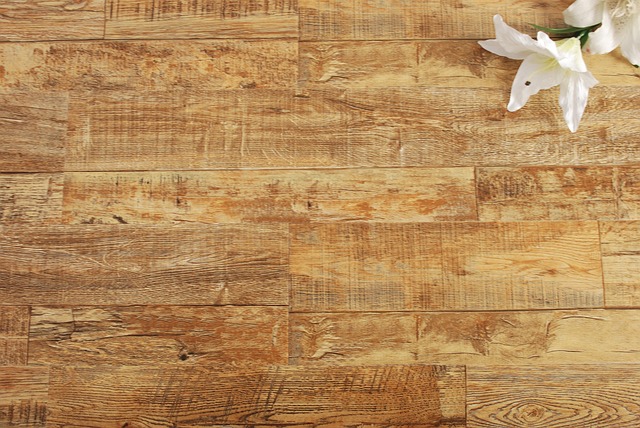
When preparing for the installation of LVP flooring in Denver homes, a meticulous approach is key to achieving a flawless result. Before you begin, thoroughly assess your space, taking note of any potential challenges posed by existing floorboards, walls, or fixtures. LVP flooring solutions are renowned for their ease of installation, particularly when compared to traditional tile flooring. However, proper preparation ensures that your LVP flooring in Denver will not only look stunning but also withstand the rigors of high-traffic areas with minimal movement or gaps.
Start by clearing the space designated for the floor replacement, removing all furniture and securing loose items. Inspect subfloors to ensure they are level and in good condition; any imperfections should be addressed before proceeding. This step is crucial, especially in older homes where structural issues might be hidden beneath the surface. If necessary, use self-leveling compound to create a smooth base for your LVP flooring Denver installation. Next, plan the layout of your flooring, considering traffic patterns and aesthetic preferences. Marking floor joints and walls with pencil will help guide the placement of your LVP planks, ensuring a seamless fit.
For optimal results when installing LVP flooring solutions in high-traffic areas, consider using adhesive installers for enhanced durability. This step requires precision and expertise; seeking professional guidance or utilizing training resources from LVP manufacturers can be invaluable. Remember, proper preparation is the foundation for successful LVP floor installation Denver. By carefully considering your space, addressing subfloor conditions, and planning your layout, you lay the groundwork for a beautiful and long-lasting LVP flooring solution that will enhance any in-home flooring project.
Installation Process: From Measurements to Finishing Touches

When it comes to DIY LVP flooring installation in Denver, understanding the installation process is crucial for achieving a professional finish. This guide will walk you through each step, from initial measurements to the final touches, ensuring your LVP flooring project in Denver—whether for commercial spaces or home offices—is both efficient and effective.
The first step involves meticulous planning. Accurate measurements are essential, especially when dealing with LVP flooring in commercial settings. Ensure you have the right tools, including measuring tapes, pencils, and levels. Take multiple measurements to account for any potential variations, and don’t forget to include allowances for trim and baseboards. Once measurements are confirmed, select your LVP flooring, keeping in mind that this choice can impact installation complexity. For instance, certain LVP varieties may require specific adhesive or underlayment, especially in the diverse Denver climate.
Preparation is key before laying the LVP tiles. Clear the installation area of all debris and furniture, ensuring a smooth and clean surface. In commercial settings like offices, this might involve relocating workstations temporarily. Refinishing hardwood floors in Denver prior to LVP installation can also be necessary for an even base. A professional refinish service can ensure your existing flooring is in optimal condition before adding the new layer of LVP. With all preparations in place, it’s time to start laying the tiles. Begin at a corner or along an edge, ensuring tight fits and using appropriate tools for locking mechanisms. For home offices, this process can be DIY-friendly, but commercial spaces may require more specialized equipment and expertise.
Finishing touches are vital for a complete LVP flooring installation. After all tiles are in place, check for any gaps or misalignments, addressing these promptly. Sealing the grout lines adds to the overall aesthetics and functionality, protecting against moisture and dirt. Regular maintenance, including cleaning and inspecting, is essential to preserve the life of your LVP flooring in Denver. This involves regular vacuuming or sweeping, along with deep cleaning using appropriate solutions for commercial or residential spaces. By following these steps—from meticulous planning to careful finishing—you’ll achieve a stunning LVP flooring result that enhances any space, whether a vibrant office or a cozy home office.
Post-Installation Care: Maintaining Your New LVP Floor

Maintaining your new LVP flooring in Denver is a crucial step to ensure its longevity and preserve its sleek appearance. LVP (Luxury Vinyl Plank) flooring is renowned for its durability, making it an excellent choice for high-traffic areas like home offices. However, proper care is essential to guard against scratches, stains, and other forms of damage. Regular cleaning with mild detergent and warm water is recommended, avoiding harsh chemicals that can strip away the protective coating.
Over time, wear and tear may cause some planks to lift or become damaged. In such cases, LVP floor repair services in Denver offer a quick fix. Professional technicians can replace individual planks or sections, minimizing disruption to your home or office. For minor scuffs and scratches, a specialized cleaning solution and a soft cloth can restore the flooring’s gloss. Regular inspection is also beneficial; addressing issues early prevents further complications.
Moreover, maintaining proper humidity levels in your space is vital for LVP flooring Denver. Extreme moisture or dryness can cause the vinyl to warp or shrink. Using a dehumidifier during humid months and a humidifier in dry seasons can help maintain optimal conditions. Regular sealing and polishing by a professional can also enhance durability and protect against water damage, ensuring your LVP flooring remains a stunning and functional addition for years to come.
DIY LVP flooring installation in Denver has emerged as a popular choice for homeowners seeking both style and durability. By understanding the unique properties of LVP flooring, properly preparing your space, following a detailed step-by-step installation process, and implementing effective post-installation care, you can achieve stunning results that elevate your living spaces. This guide offers practical insights tailored to Denver’s climate and market, ensuring your new LVP floor not only looks fantastic but also stands the test of time. Armed with these key learnings, you’re now equipped to tackle your DIY flooring project with confidence and expertise.